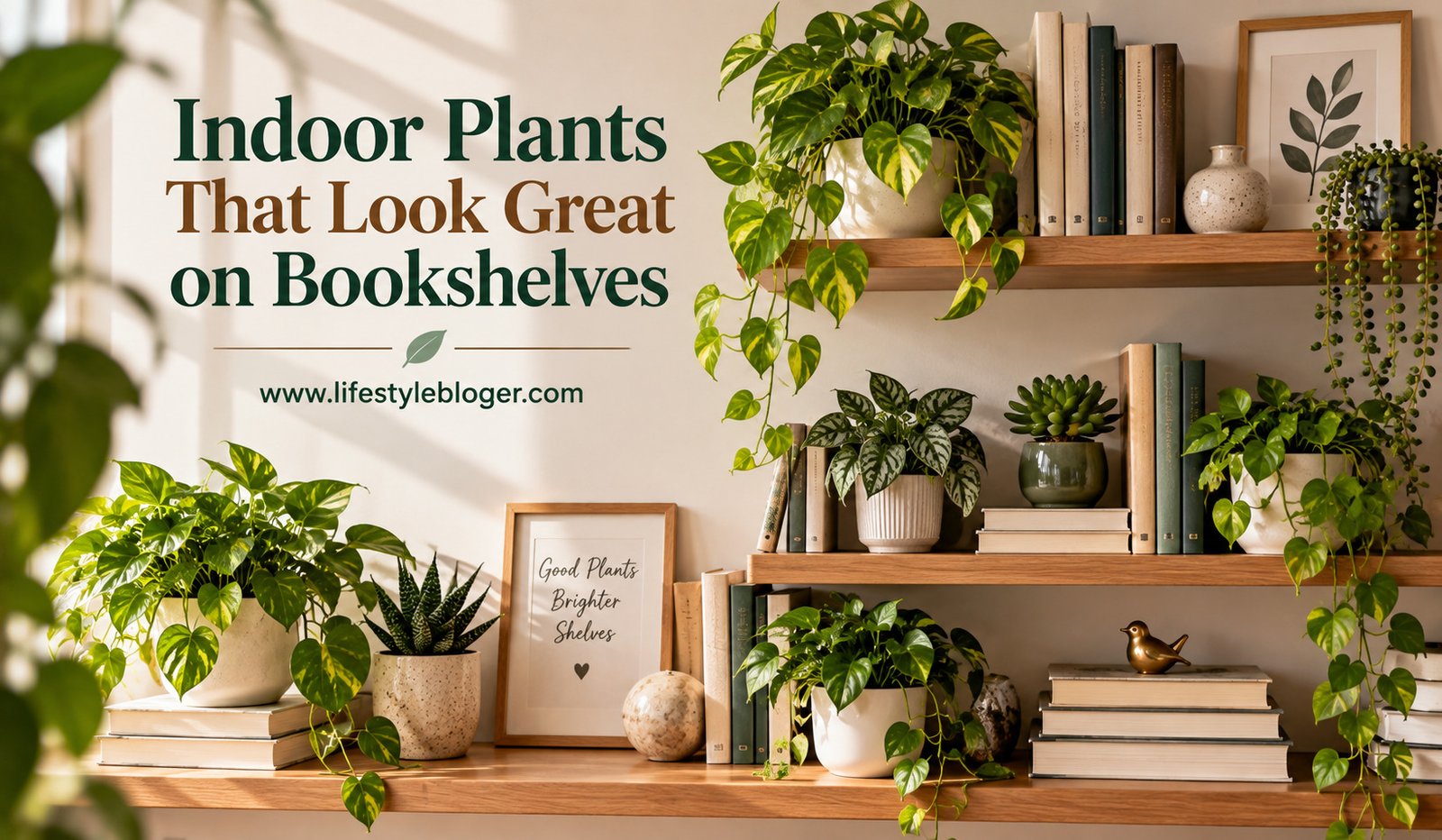
Bookshelves are no longer just a place to store novels, magazines, and decorative accessories. In modern homes, they have become stylish display areas that reflect personality and creativity. One of the easiest ways to elevate the appearance of a bookshelf is by incorporating indoor plants. A touch of greenery can soften the structured lines of shelving, introduce natural texture, and create a balanced, inviting atmosphere.
Whether your bookshelf is built into the wall, freestanding, or part of a home office, choosing the right plants can transform it into a stunning focal point. The key is selecting compact varieties that complement books and decorative items without overwhelming the available space. Plants with attractive foliage, manageable growth habits, and minimal care requirements are often the best choices.
This guide explores the best indoor plants for bookshelves, styling ideas, and practical care tips to help you create an elegant display that combines nature with modern interior design.
Why Indoor Plants Belong on Bookshelves
Bookshelves often feature straight lines, neutral colors, and structured arrangements. While this creates an organized appearance, it can sometimes feel rigid or overly formal. Indoor plants introduce softness and movement, creating visual contrast that makes the shelf more appealing.
Plants also help break up rows of books and decorative accessories. Instead of displaying books from one end to the other, adding greenery between sections creates breathing space and draws attention to different areas of the shelf.
Another advantage is versatility. Even a single small plant can refresh the appearance of an older bookshelf without requiring expensive décor changes. Because plants come in different sizes, shapes, and colors, they can suit almost every decorating style, from minimalist apartments to traditional family homes.
Choosing the Right Plants for Bookshelves
Not every houseplant is suitable for shelving. Large floor plants can overwhelm the display, while fast-growing varieties may quickly outgrow their location. Compact plants with attractive foliage and controlled growth habits generally work best.
When selecting plants, consider the amount of light your bookshelf receives. Shelves near windows provide brighter conditions, while bookshelves in hallways or home offices may receive only indirect light.
Also think about shelf depth. A shallow shelf is better suited to smaller pots, whereas deeper shelving can comfortably accommodate medium-sized plants without appearing crowded.
Best Indoor Plants for Bookshelves
1. Pothos
Pothos is one of the most popular bookshelf plants because of its beautiful trailing vines and low-maintenance nature. Its cascading stems naturally soften the edges of shelves and create a relaxed, elegant appearance.
Place pothos on an upper shelf and allow the vines to trail downward. This creates movement throughout the bookshelf while adding depth to the overall display.
Its adaptability also makes it suitable for homes with varying light conditions.
2. Snake Plant
For homeowners who prefer a cleaner, more structured look, the snake plant is an excellent choice. Compact varieties fit comfortably on bookshelves while adding strong vertical lines that contrast beautifully with horizontal rows of books.
Snake plants require minimal maintenance and tolerate occasional neglect, making them ideal for busy households.
Choose a smaller variety rather than a large floor-sized specimen for the best visual balance.
3. Spider Plant
Spider plants feature graceful arching leaves that bring softness to bookshelves. Their compact size allows them to fit comfortably between books, decorative objects, and photo frames.
As the plant matures, it may produce baby plantlets that hang gently from the parent plant, adding extra character to the arrangement.
Spider plants work particularly well on middle shelves where their foliage has room to spread naturally.
4. Peperomia
Peperomia varieties are excellent bookshelf plants because of their compact size and attractive foliage. Depending on the variety, leaves may be smooth, textured, striped, or slightly glossy.
These plants remain relatively small, making them suitable for narrow shelves where larger houseplants would feel overcrowded.
Their unique leaf shapes also introduce interesting texture without dominating the display.
5. Heartleaf Philodendron
Heartleaf philodendron combines elegant foliage with trailing growth, making it ideal for decorating bookshelves.
Its heart-shaped leaves create a softer appearance than many upright plants, while the trailing vines help connect different shelf levels visually.
Place it near the edge of a shelf so the vines can flow naturally without covering your books.
6. ZZ Plant
Smaller ZZ plants are perfect for modern bookshelves. Their glossy leaves provide an elegant contrast against wood, metal, or painted shelving.
Because the plant grows upright rather than outward, it occupies relatively little space while still making a noticeable decorative statement.
Its low-maintenance nature makes it especially suitable for office bookshelves and reading corners.
7. Chinese Evergreen
Chinese evergreen offers beautiful patterned foliage in shades of green, silver, and cream. Compact varieties fit comfortably on bookshelves while adding subtle color variation.
Its decorative leaves make it attractive even without flowers, allowing it to blend naturally into contemporary interiors.
8. Succulents
Succulents are among the easiest plants to style on bookshelves because they remain small and come in numerous interesting shapes.
Grouping two or three different succulent varieties in matching pots creates a neat, modern display that requires minimal care.
They are particularly effective in minimalist and Scandinavian-inspired interiors.
Comparing Popular Bookshelf Plants
| Plant | Growth Style | Light Requirement | Best Shelf Position |
| Pothos | Trailing | Bright indirect light | Top shelf |
| Snake Plant | Upright | Low to bright indirect light | Middle shelf |
| Spider Plant | Arching | Bright indirect light | Middle shelf |
| Peperomia | Compact | Medium indirect light | Small shelves |
| Heartleaf Philodendron | Trailing | Bright indirect light | Upper shelves |
| ZZ Plant | Upright | Low to medium light | Office shelves |
| Chinese Evergreen | Compact | Medium indirect light | Decorative shelves |
| Succulents | Compact | Bright light | Window-side shelves |
Styling Bookshelves with Indoor Plants
Balance Plants and Books
The secret to an attractive bookshelf is balance. Avoid filling every shelf entirely with books or entirely with decorative items. Instead, combine books with small plants to create visual variety.
Leaving small open spaces around plants allows each one to stand out while preventing the shelf from looking cluttered.
Mix Heights and Shapes
Different plant shapes create a more interesting display. Pair an upright snake plant with a trailing pothos or combine compact peperomia with small succulents.
This variety introduces depth while keeping the arrangement natural rather than repetitive.
Coordinate Pots with Your Décor
The planter plays an important role in the overall appearance of your bookshelf. Simple ceramic pots work beautifully in modern interiors, while terracotta or textured containers suit warmer, rustic spaces.
Using similar colors or materials throughout the shelf creates a cohesive look without making everything identical.
Tips for Maintaining Bookshelf Plants
Indoor plants remain attractive only when they receive proper care. Fortunately, most bookshelf plants require relatively little maintenance.
Keep these simple practices in mind:
- Water only when the soil begins to dry.
- Rotate plants occasionally for even growth.
- Dust leaves regularly to maintain their appearance.
- Remove damaged leaves promptly.
- Avoid overcrowding shelves to improve air circulation.
Taking a few minutes each week to care for your plants helps them remain healthy and decorative throughout the year.
Common Decorating Mistakes
One of the most common mistakes is choosing plants that quickly outgrow the shelf. While a small plant may look perfect initially, rapid growth can soon make the display feel crowded.
Another mistake is placing every plant at the same height or using identical pots throughout the bookshelf. Adding variation keeps the arrangement visually interesting.
Poor lighting is another issue. Even attractive plants need suitable light conditions to remain healthy. Choose plant varieties that match the amount of natural light available near your bookshelf.
Finally, avoid overcrowding decorative objects. Plants should enhance the display rather than compete with books, candles, sculptures, or photo frames.
Creating a Modern Bookshelf Display
A well-designed bookshelf combines functionality with visual appeal. Plants should complement your books rather than hide them.
Consider arranging books both vertically and horizontally, leaving space for one or two carefully selected plants between sections. Decorative accessories such as framed photographs, candles, or small sculptures can complete the arrangement while allowing greenery to remain the focal point.
Rather than purchasing many different plants at once, start with two or three varieties and gradually expand your collection as you discover what works best in your space.
Frequently Asked Questions
1. Which indoor plant is best for a bookshelf?
Pothos, peperomia, spider plants, ZZ plants, snake plants, and heartleaf philodendrons are among the best choices because they remain compact and adapt well to indoor conditions.
2. Can I place plants on shelves with books?
Yes. As long as plants are watered carefully and placed in pots with proper drainage, they can safely share shelf space with books and decorative accessories.
3. How many plants should I place on a bookshelf?
There is no fixed number, but two to five small plants are usually enough for an average-sized bookshelf. The goal is to create balance rather than overcrowding the display.
4. What type of pots look best on bookshelves?
Simple ceramic, matte-finish, terracotta, or neutral-colored pots often complement bookshelves beautifully because they create a clean and timeless appearance.
5. Do bookshelf plants require a lot of maintenance?
Most compact indoor plants require only occasional watering, regular dusting, and adequate indirect light. Choosing low-maintenance varieties makes bookshelf gardening simple even for beginners.
Final Thoughts
Indoor plants are one of the easiest ways to enhance the appearance of bookshelves while bringing a touch of nature into your home. Their colors, textures, and natural shapes soften rigid shelving, create visual interest, and make reading spaces feel warmer and more inviting.
Whether you choose a cascading pothos, an elegant snake plant, a compact peperomia, or a collection of charming succulents, selecting plants that suit both your shelf size and lighting conditions is the key to long-term success.
By combining books, decorative accessories, and carefully chosen greenery, you can transform an ordinary bookshelf into a stylish centerpiece that reflects your personality while adding freshness and character to your living space.