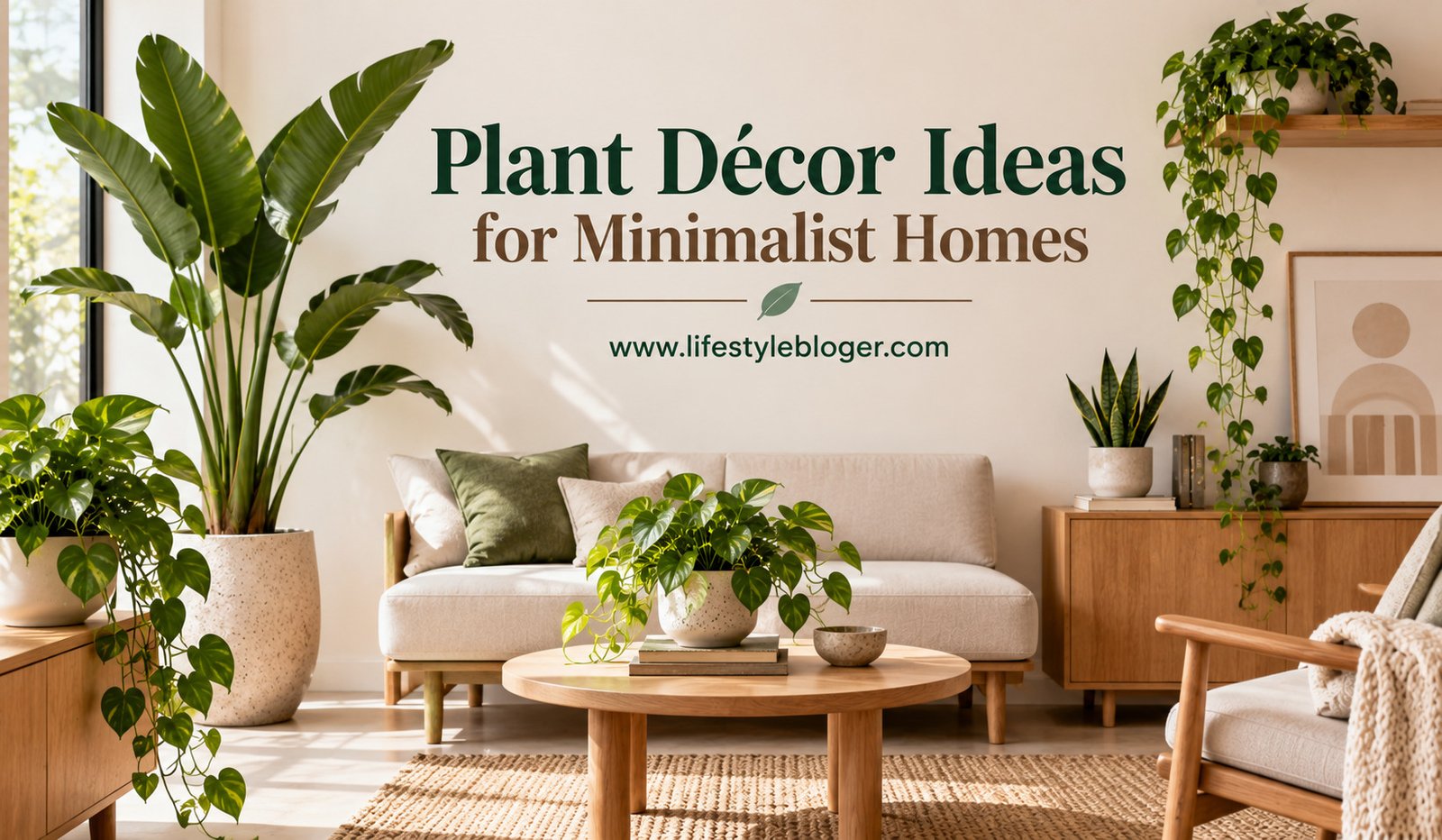
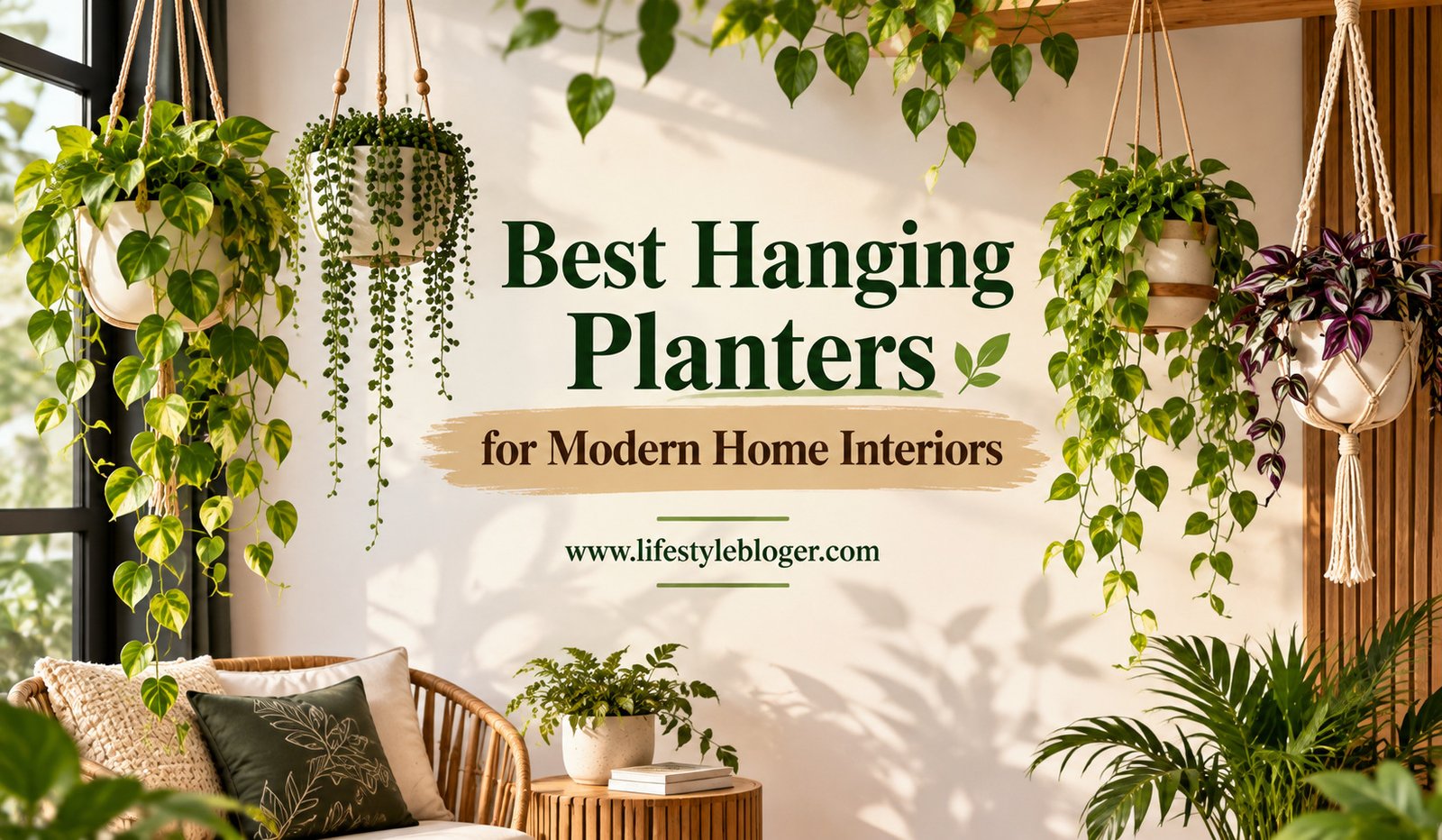
Modern home interiors are all about creating spaces that feel clean, functional, and visually appealing. While furniture, lighting, and wall décor play an important role in defining a room, indoor plants have become an essential part of contemporary interior design. They introduce natural beauty, soften hard architectural lines, and make living spaces feel more welcoming. One of the most stylish ways to display indoor plants is by using hanging planters.
Hanging planters offer an excellent solution for homeowners who want to decorate with greenery without sacrificing valuable floor or table space. They draw the eye upward, make use of unused vertical areas, and create a fresh, airy atmosphere. Whether you live in a spacious home or a compact apartment, hanging planters can instantly transform ordinary corners into eye-catching focal points.
The best hanging planters combine functionality with design. They should complement your home’s style while providing a healthy environment for your plants to grow. From sleek metal designs to handcrafted macramé holders, today’s hanging planters are available in a wide variety of materials, colors, and styles to suit every modern interior.
Why Hanging Planters Are Perfect for Modern Homes
One of the biggest advantages of hanging planters is their ability to maximize available space. Unlike traditional pots that occupy tables, shelves, or floors, hanging planters utilize vertical areas that often remain unused.
They also create visual balance within a room. A hanging plant naturally attracts attention upward, making ceilings appear higher and spaces feel larger. This effect is especially beneficial in apartments and smaller homes where every square foot matters.
Beyond functionality, hanging planters contribute to a modern aesthetic by introducing organic textures and vibrant greenery. Their floating appearance creates a clean, uncluttered look while adding warmth and character to minimalist interiors.
Popular Hanging Planter Styles
Selecting the right hanging planter depends on your interior design style as well as the type of plants you want to display. Each style offers a different visual effect while serving the same practical purpose.
1. Ceramic Hanging Planters
Ceramic hanging planters are among the most popular choices for modern homes. Their smooth finishes, elegant shapes, and neutral colors make them suitable for almost any interior style.
White ceramic planters create a clean, minimalist appearance, while matte black or textured finishes add sophistication. Ceramic also provides good durability and complements leafy green plants beautifully.
These planters work particularly well in living rooms, kitchens, and dining areas where a refined decorative touch is desired.
2. Macramé Hanging Planters
Macramé plant hangers continue to remain popular because they combine handcrafted charm with contemporary design. Made from woven cotton rope, these hangers introduce softness and texture without overwhelming a room.
Macramé works especially well in Scandinavian, bohemian, and modern-natural interiors. Pairing a simple ceramic pot with a macramé hanger creates an elegant balance between traditional craftsmanship and modern simplicity.
Trailing plants look particularly attractive in macramé holders because their vines naturally cascade through the woven ropes.
3. Metal Hanging Planters
Metal hanging planters offer a sleek and sophisticated appearance. Their slim frames and geometric shapes make them ideal for modern and industrial interiors.
Available in finishes such as black, gold, brass, and matte white, metal planters can easily complement existing furniture and lighting fixtures.
These planters often feature minimalist designs that allow the plant itself to remain the focal point while adding a refined decorative accent.
4. Glass Hanging Planters
Glass hanging planters create a light and elegant appearance. Their transparent design allows roots, decorative stones, or water to become part of the display, making them particularly suitable for hydroponic plants or decorative arrangements.
Glass planters work beautifully near windows where natural light enhances their transparency and creates subtle reflections.
Because of their delicate appearance, they are best suited for smaller plants and decorative vines.
5. Wooden Hanging Planters
Wooden hanging planters introduce warmth and natural character into modern interiors. Whether crafted from bamboo, oak, or reclaimed wood, these planters create a welcoming atmosphere while maintaining a contemporary appearance.
Wood pairs especially well with neutral walls, natural fabrics, and minimalist furniture. It also complements earthy decorating themes that emphasize organic materials.
6. Geometric Hanging Planters
Geometric planters feature bold shapes such as hexagons, spheres, cubes, or polygons that add architectural interest to a room.
These planters serve as decorative objects even when viewed from a distance. Their distinctive designs work particularly well in modern apartments where clean lines and unique accessories define the overall aesthetic.
Choosing the Right Hanging Planter
Before purchasing a hanging planter, consider both your available space and the needs of your plants. Size is particularly important because an oversized planter can overwhelm a room, while one that is too small may not support healthy plant growth.
The material should also match your decorating style. Ceramic provides timeless elegance, metal offers contemporary simplicity, and wood introduces warmth. Lightweight materials are generally easier to install and reposition if needed.
| Hanging Planter Type | Best For | Interior Style |
| Ceramic | Living rooms, kitchens | Minimalist, Modern |
| Macramé | Bedrooms, reading corners | Bohemian, Scandinavian |
| Metal | Apartments, offices | Industrial, Contemporary |
| Glass | Windows, sunrooms | Modern, Elegant |
| Wooden | Cozy interiors | Natural, Rustic Modern |
| Geometric | Feature walls | Contemporary, Minimalist |
Best Plants for Hanging Planters
The beauty of hanging planters becomes even more noticeable when paired with suitable indoor plants. Some varieties naturally trail downward, creating a lush cascading display that enhances the floating effect.
Excellent choices include:
- Golden Pothos
- String of Pearls
- Spider Plant
- English Ivy
- Heartleaf Philodendron
- Boston Fern
These plants not only adapt well to hanging containers but also provide varying leaf shapes and textures that make your décor more dynamic.
Where to Hang Indoor Planters
Living Room
The living room is often the ideal location for decorative hanging planters. Position one near a bright window, beside a reading chair, or above a side table to create a stylish focal point.
Avoid placing hanging plants directly in busy walkways where they may interfere with movement.
Kitchen
Hanging planters work beautifully in kitchens because they free up valuable countertop space. Herbs, trailing vines, or compact foliage plants can bring life to an otherwise functional area.
Installing planters near windows ensures the plants receive sufficient natural light while adding freshness to the room.
Bedroom
Bedrooms benefit from soft greenery that creates a relaxing atmosphere. A hanging planter positioned near a window or reading corner can introduce natural beauty without taking up bedside table space.
Choose simple designs that complement the calming nature of the room.
Bathroom
Bathrooms with adequate natural light are excellent locations for hanging planters. Many tropical plants appreciate the naturally humid environment, making them ideal for these spaces.
Glass or ceramic hanging planters often work particularly well in modern bathrooms.
Styling Tips for Hanging Planters
Creating an attractive hanging display is about more than simply suspending a plant from the ceiling. Consider the overall balance of the room and how the planter interacts with surrounding furniture and décor.
Keep these ideas in mind:
- Hang plants at varying heights for visual interest.
- Avoid overcrowding one section of the room.
- Match planter materials with existing furniture.
- Use trailing plants for a softer appearance.
- Leave enough space around each planter so individual plants can stand out.
Simple arrangements often create the strongest visual impact in modern interiors.
Caring for Hanging Plants
Hanging plants require slightly different care compared to traditional potted plants because they are elevated and may dry out more quickly.
Water carefully to avoid spills on furniture or flooring. Some homeowners remove the planter for watering before returning it to its original position.
Regularly trim trailing vines to maintain a neat appearance and rotate the planter occasionally if one side receives more sunlight than the other.
Dust leaves periodically to help plants stay healthy while maintaining their decorative appeal.
Common Mistakes to Avoid
Many people install hanging planters without considering weight capacity. Always ensure ceiling hooks, wall brackets, and hanging hardware are suitable for both the planter and fully watered plant.
Another common mistake is hanging plants too low, where they interfere with movement. Position planters high enough to remain decorative without becoming obstacles.
Overcrowding is another issue. Too many hanging planters can make even a modern room appear cluttered. Instead, focus on a few carefully chosen displays that complement the overall design.
Frequently Asked Questions
1. Which hanging planter is best for modern interiors?
Ceramic, metal, and geometric hanging planters are among the most popular choices because they feature clean lines and contemporary designs that suit modern homes.
2. What plants grow best in hanging planters?
Trailing plants such as pothos, spider plants, philodendrons, English ivy, string of pearls, and Boston ferns are excellent options because they naturally cascade over the edges of the planter.
3. Can hanging planters make a small room look bigger?
Yes. Hanging planters draw attention upward, making ceilings appear higher while keeping floors and furniture surfaces clear. This creates a greater sense of openness.
4. How high should I hang indoor planters?
The ideal height depends on the room, but hanging planters should generally remain above head level in walkways while still allowing enough light for healthy plant growth.
5. Are hanging planters difficult to maintain?
Not at all. Regular watering, occasional pruning, cleaning the leaves, and checking the hanging hardware periodically are usually all that is needed to keep both the planter and plant in excellent condition.
Final Thoughts
Hanging planters have become an essential element of modern interior design because they combine style, practicality, and natural beauty in one simple solution. They make excellent use of vertical space, create visual interest, and allow homeowners to introduce greenery without sacrificing valuable floor space.
Whether you prefer sleek ceramic pots, handcrafted macramé holders, elegant glass containers, or bold geometric designs, there is a hanging planter to suit every decorating style. By choosing the right materials, selecting suitable plants, and placing them thoughtfully throughout your home, you can create interiors that feel fresh, modern, and inviting.
A carefully planned hanging planter display not only enhances the beauty of your plants but also elevates the overall character of your home, proving that even small decorative changes can have a lasting impact on your living space.