
The bedroom is more than just a place to sleep. It is a personal space where you relax, recharge, read, and escape from the busyness of everyday life. Thoughtfully chosen décor can make this room feel more comfortable and inviting, and indoor plants are one of the simplest ways to introduce natural beauty into the space.
Green plants can soften furniture, add color to neutral interiors, and bring an organic touch to bedrooms of almost any style. Whether you have a spacious master bedroom or a compact apartment bedroom, there are plenty of creative ways to include greenery without making the room feel crowded.
The key is to choose plants that suit the available light, select planters that complement the décor, and position everything carefully. With a few thoughtful choices, indoor plants can become an attractive part of your bedroom design.
Why Indoor Plants Work Well in Bedrooms
Bedrooms often contain soft textures, neutral colors, and simple furniture. Plants add a natural contrast to these elements through their organic shapes and shades of green.
A leafy plant can soften the straight lines of a wardrobe or bedside table, while a trailing plant can add movement to an otherwise simple shelf. Plants can also fill unused corners without requiring additional furniture.
However, bedroom plant décor should be intentional. A few healthy plants placed in suitable locations usually create a more attractive result than filling every available surface with pots.
Choose Bedroom Plants According to Your Space
Before selecting a plant, look at the lighting, temperature, available floor space, and your daily routine. A plant that looks perfect in a bright living room may not be suitable for a darker bedroom.
For many bedrooms, popular low-maintenance options include:
- Snake plants for their upright shape and easy-care nature.
- ZZ plants for compact glossy foliage.
- Pothos for attractive trailing growth.
- Spider plants for their arching leaves.
- Rubber plants for larger rooms with suitable light.
Choosing plants that naturally fit your bedroom conditions makes maintenance easier and helps the décor stay attractive.
Create a Statement Plant Corner
An unused bedroom corner can become a natural focal point with one large indoor plant. Instead of filling the area with a chair, basket, or decorative cabinet, use a tall plant to add height and texture.
A rubber plant, snake plant, or suitable indoor palm can work well in a spacious corner. Place it in a large planter that complements the room’s color palette.
For a minimalist bedroom, choose a simple ceramic planter in white, beige, grey, or another neutral tone. In a warmer interior, a terracotta or textured planter can add additional character.
Leave enough space around the plant so its shape remains visible. The purpose is to enhance the corner rather than make it feel crowded.
Style Plants on Bedside Tables
A bedside table is an easy place to introduce a small amount of greenery. A compact plant can replace or complement decorative objects such as a small lamp, book, or candle.
Choose a plant that remains relatively compact so it does not interfere with everyday use of the table. A small ZZ plant, spider plant, or suitable succulent can provide a subtle decorative touch.
Try to avoid placing too many objects around the plant. Keeping some open space makes the arrangement look cleaner and allows the greenery to stand out.
Create a Balanced Nightstand Display
When styling a bedside table, consider the height of the plant in relation to the lamp and other objects. If the lamp is tall, a shorter plant can create balance. If the lamp has a compact design, a slightly taller plant may add useful visual height.
The goal is to create a display that feels natural rather than perfectly symmetrical.
Use Hanging Plants to Save Floor Space
Hanging plants are especially useful for smaller bedrooms. They allow you to add greenery without using floor or bedside-table space.
A trailing pothos or spider plant can look beautiful in a simple hanging planter near a window or in an unused corner. Macrame hangers can introduce additional texture if they complement the room’s style.
Make sure hanging plants are positioned safely and do not interfere with doors, walking paths, ceiling fans, or other fixtures.
Add Plants to Bedroom Shelves
Bedroom shelves provide another opportunity to incorporate greenery. Small plants can be placed between books, framed photographs, and other personal items.
Instead of filling every shelf with décor, leave empty areas around the plants. This negative space helps the room maintain a calm and uncluttered appearance.
Trailing plants are particularly effective on higher shelves because their leaves can naturally extend downward, softening the edges of the furniture.
Use Plants to Complement Your Color Scheme
Plants can work with almost any bedroom color palette. Green foliage looks particularly attractive against white, cream, beige, grey, and soft earthy colors.
If your bedroom contains colorful bedding or patterned wallpaper, choose simple green plants and understated planters. If the room is mostly neutral, you can use plants with larger or more distinctive leaves to create a stronger focal point.
The planter itself should also complement the room. Ceramic, terracotta, woven, concrete-style, and wooden-look containers can each create a different atmosphere.
| Bedroom Style | Plant Choice | Planter Style |
| Minimalist | Snake Plant | White ceramic |
| Boho | Pothos | Macrame or woven |
| Modern | ZZ Plant | Matte black or grey |
| Rustic | Rubber Plant | Terracotta |
| Scandinavian | Spider Plant | Light neutral ceramic |
| Traditional | Peace Lily | Decorative ceramic |
Decorate Around the Headboard
The wall around the bed is one of the most important visual areas in a bedroom. Plants can be used nearby to soften this space without competing with the bed itself.
Instead of placing plants directly behind pillows or above the headboard, consider using a small plant on a nearby side table or a taller plant positioned beside the bed.
A hanging plant can also work on a nearby wall when securely installed and positioned at a safe distance from the sleeping area.
Place a Tall Plant Beside a Dresser
Tall plants can make bedroom furniture feel more balanced. If you have a low dresser or chest of drawers, placing a taller plant beside it can create an appealing contrast in height.
A plant with upright or gently spreading foliage can fill the vertical space without requiring additional wall decoration.
Keep enough distance between the plant and furniture to make cleaning easier and allow the foliage to grow naturally.
Create a Mini Indoor Garden
If you enjoy having several plants in your bedroom, consider creating a small dedicated plant area rather than scattering them throughout the room.
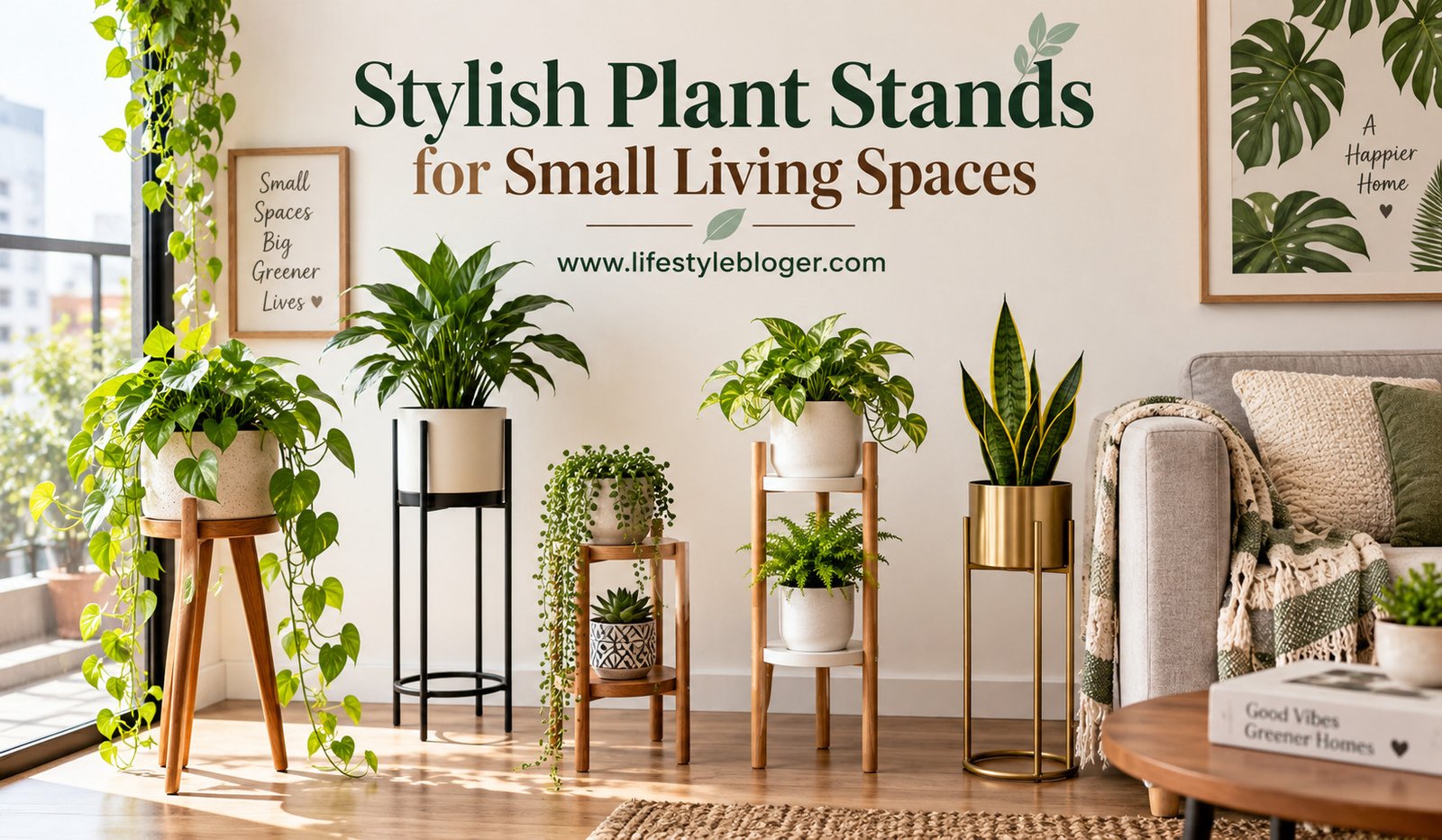
A plant stand can hold several pots at different heights, creating a layered display. You can combine plants with different leaf shapes while keeping the planters in a related color palette.
A simple grouping might include:
- One tall upright plant.
- One medium-sized leafy plant.
- One smaller trailing variety.
- One compact tabletop plant.
This arrangement provides variety without making the bedroom look disorganized.
Combine Plants With Natural Materials
Indoor plants look especially attractive when paired with natural materials. Wooden furniture, linen bedding, woven baskets, rattan accents, jute rugs, and soft cotton textiles can all complement greenery.
For example, a leafy plant in a neutral ceramic pot can sit beside a wooden nightstand, while a woven basket can be placed nearby for additional texture.
You do not need to use every natural material in one room. A few repeated textures are enough to create a cohesive and relaxed atmosphere.
Choose the Right Planters for Bedroom Décor
The planter is part of the overall design, so it should complement the furniture and colors around it. A beautifully shaped plant in a mismatched container can look disconnected from the rest of the room.
Neutral ceramic planters are a reliable choice for modern bedrooms. Terracotta works well with warm and rustic interiors, while woven or macrame containers can complement bohemian spaces.
For a cohesive look, consider repeating one planter material or color in different sizes throughout the bedroom.
Keep Bedroom Plant Décor Simple
One of the most common mistakes is using too many plants. While greenery can make a bedroom feel fresh and welcoming, excessive plants can make the space look crowded.
Focus on placement rather than quantity. A large plant in one corner, a small plant on a bedside table, and a trailing plant on a shelf may be enough to create a complete indoor plant theme.
Allow some areas of the bedroom to remain free of décor. Empty space is just as important as the plants themselves.
Easy Plant Care for Bedroom Spaces
Plant care should fit naturally into your routine. Check the soil before watering instead of following a rigid schedule, as watering needs can change depending on the season, plant variety, pot size, and indoor conditions.
Regularly remove dust from broad leaves and trim damaged foliage when necessary. Keep drainage in mind, especially when plants are placed on wooden furniture or near carpets.
Some simple habits can make maintenance easier:
- Check soil moisture before watering.
- Keep plants in locations appropriate for their light requirements.
- Use pots with suitable drainage.
- Clean leaves occasionally to remove accumulated dust.
Healthy plants will always look better as part of your bedroom décor.
Common Mistakes to Avoid
Avoid choosing plants solely because they look attractive online or in a store. Consider whether your bedroom provides the conditions they need.
Another mistake is placing plants too close to curtains, heaters, air-conditioning vents, or areas where they can be knocked over. Poor placement can make both plant care and everyday movement more difficult.
Using oversized planters in a small bedroom can also make the space feel cramped. Always consider the scale of the plant, planter, furniture, and available floor area together.
Frequently Asked Questions
1. Which indoor plants are best for bedroom décor?
Snake plants, ZZ plants, pothos, spider plants, rubber plants, and peace lilies can all work well, depending on the light and conditions in your bedroom.
2. How many plants should I keep in my bedroom?
There is no specific number. A few thoughtfully placed plants are usually enough. Consider the room’s size, available light, and how much maintenance you can realistically provide.
3. Can I place a plant on my bedside table?
Yes. Compact plants can look attractive on bedside tables. Choose a small variety and use a protective saucer if the pot has drainage to help protect the furniture.
4. Are hanging plants suitable for small bedrooms?
Yes. Hanging planters make excellent use of vertical space and can add greenery without occupying valuable floor or table space. Make sure they are securely installed and safely positioned.
5. What planter colors work best in a bedroom?
Neutral shades such as white, beige, cream, grey, and soft brown are versatile choices. You can also choose terracotta or muted colors to complement warmer bedroom interiors.
Final Thoughts
Indoor plants can transform a bedroom from a simple sleeping area into a warm, relaxing, and visually appealing space. Their natural colors and organic shapes work beautifully with soft bedding, wooden furniture, neutral walls, and a wide variety of interior styles.
The best approach is to select plants based on your bedroom’s lighting and available space, then display them using planters that complement your existing décor. A statement plant in an empty corner, a compact plant on a bedside table, or a trailing variety on a shelf can each create a noticeable difference.
Keep the arrangement balanced, avoid unnecessary clutter, and choose plants that fit comfortably into your routine. With thoughtful placement and basic care, indoor greenery can become a natural and stylish part of your bedroom for years to come.