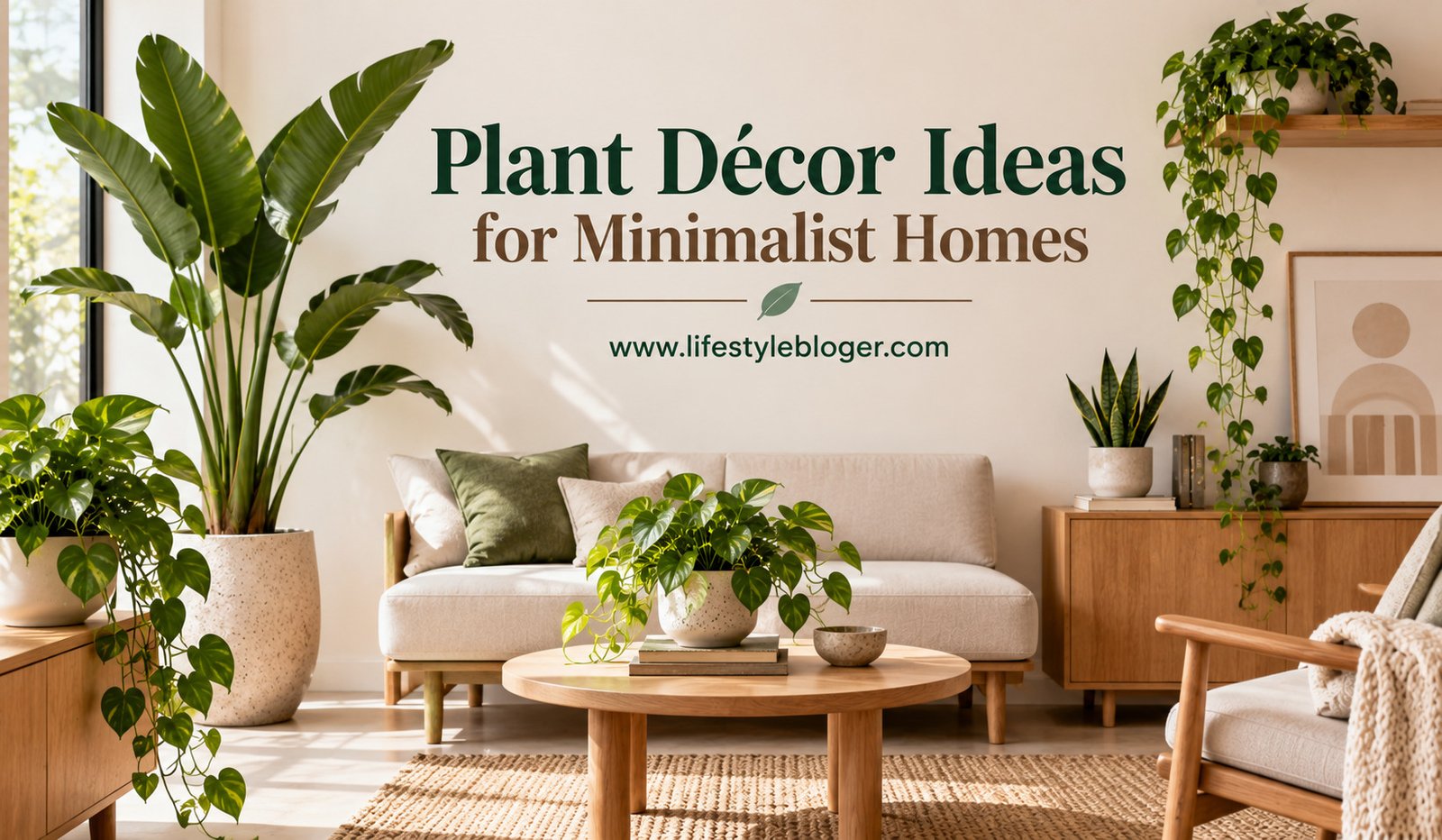
Minimalist homes are known for their clean lines, open spaces, neutral colors, and carefully selected décor. While this style focuses on simplicity, it does not have to feel cold or empty. Indoor plants are one of the easiest ways to introduce warmth, texture, and natural beauty without compromising a minimalist aesthetic.
The right plant can add a refreshing touch to a room while the right planter can become a subtle decorative feature. Instead of filling every surface with accessories, minimalist plant décor focuses on choosing a few beautiful plants and displaying them thoughtfully. From a single statement plant in the living room to a small arrangement on a shelf, greenery can make a simple home feel more inviting.
Whether you live in a compact apartment or a spacious modern house, plant décor can complement minimalist interiors beautifully.
Why Plants Work So Well in Minimalist Interiors
Minimalism is centered around intentional choices. Every piece of furniture or decoration should have a purpose, and plants naturally fit this philosophy because they provide both visual appeal and a connection to nature.
Green foliage creates contrast against white walls, wooden furniture, neutral fabrics, and simple architectural details. A single plant can become a focal point without making the room appear crowded.
Plants also soften the straight lines commonly found in minimalist interiors. A tall plant with flowing leaves can introduce movement, while a small tabletop plant can add a subtle organic element to an otherwise structured space.
Choose Plants That Match a Minimalist Style
Not every plant arrangement will create a minimalist appearance. Large collections of mismatched pots, excessive decorative accessories, or plants placed randomly throughout a room can make the space feel cluttered.
Instead, select plants with distinctive shapes and attractive foliage. Popular choices include:
- Snake plants for their upright, architectural leaves.
- ZZ plants for their glossy foliage and simple appearance.
- Pothos for soft trailing greenery.
- Rubber plants for bold leaves and a strong visual presence.
- Peace lilies for elegant foliage and a softer look.
The goal is not to have as many plants as possible. A few carefully selected varieties can make a much stronger design statement.
Minimalist Plant Décor Ideas for Every Room
1. Create a Statement Corner With One Large Plant
An empty corner does not always need furniture or artwork. A large indoor plant can fill the space while maintaining a clean appearance.
Choose a tall plant such as a rubber plant, fiddle leaf fig, or bird of paradise and place it in a simple ceramic or neutral-toned planter. Keep the surrounding area relatively open so the plant becomes the main feature.
This approach works particularly well in living rooms where an unused corner can otherwise feel unfinished.
2. Style a Small Plant on a Side Table
Minimalist décor does not mean avoiding decorative details completely. A small plant on a side table can provide just enough greenery to make the space feel lively.
Choose a compact plant with an attractive shape and place it in a simple planter. Avoid combining it with too many books, candles, ornaments, or other accessories. Leaving some empty space around the plant helps maintain the minimalist appearance.
3. Use Plants to Soften a Home Office
A minimalist home office can sometimes feel overly structured because of desks, shelves, computers, and storage furniture. Adding greenery introduces a natural element without disrupting the workspace.
A small ZZ plant, snake plant, or pothos can sit beside a monitor or on a nearby shelf. For a larger office, a tall floor plant positioned near the desk can create a more relaxed atmosphere.
4. Add Greenery to Open Shelves
Open shelving provides an excellent opportunity for subtle plant décor. Instead of filling every shelf with decorative objects, leave plenty of empty space and add one or two small plants.
Trailing plants can be particularly attractive because their leaves naturally extend downward, breaking up the straight horizontal lines of shelves.
Use planters in similar neutral shades to create a coordinated appearance.
Use Neutral Planters for a Clean Look
The planter is an important part of minimalist plant styling. Even a beautiful plant can look out of place if its container has too many competing colors or patterns.
White, beige, grey, black, terracotta, and muted earthy shades are versatile choices. Ceramic, concrete, and simple stone-look planters can also complement minimalist interiors.
The ideal planter should enhance the plant without becoming more visually dominant than the foliage.
Create a Balanced Plant Display
One of the most effective ways to decorate with plants is to vary height and scale while keeping the overall arrangement simple. For example, a tall floor plant can be positioned near a low cabinet, while a small plant can sit on top of the cabinet.
This creates visual layers without requiring numerous decorative objects.
| Area | Plant Style | Suitable Display |
| Living room corner | Tall plant | Floor planter |
| Coffee table | Compact plant | Small ceramic pot |
| Bookshelf | Trailing plant | Simple planter |
| Home office | Small upright plant | Desk planter |
| Bedroom | Medium leafy plant | Side table or floor pot |
| Entryway | Statement plant | Large neutral planter |
The key is to maintain breathing room between each element. Minimalist interiors look best when the eye can move easily around the room.
Try a Single-Color Plant Display
For an especially refined look, choose planters in one color or a closely related color family. Several white ceramic planters in different sizes, for example, can create variety while still looking cohesive.
Another approach is to use earthy shades such as sand, beige, cream, and light brown.
Keeping the containers visually consistent allows the plants themselves to provide most of the color.
Decorate With Plants Near Windows
Windows provide natural opportunities for plant décor. A sunny windowsill can become a simple display for small plants, while a larger window can provide the perfect background for a tall indoor tree.
Avoid overcrowding the window with too many pots. One large plant or a small group of coordinated plants often looks more elegant than a crowded collection.
A beautiful arrangement will only remain attractive if the plants receive suitable growing conditions.
Add a Plant to the Bedroom
Plants can make minimalist bedrooms feel warmer and more peaceful. Instead of adding numerous accessories to bedside tables and dressers, use one carefully selected plant as a natural decorative accent.
A small plant on a nightstand can add personality without taking up much space. For larger bedrooms, a tall plant placed beside a dresser or in an empty corner can create a balanced visual point.
Choose simple planters that complement your bedding, furniture, and wall colors.
Use Hanging Plants Sparingly
Hanging plants can add an interesting vertical element to minimalist interiors. A trailing pothos or similar plant can be suspended near a window, from a ceiling hook, or in a carefully selected corner.
However, hanging plants should be used thoughtfully. Too many suspended planters can quickly make a clean room appear busy. One well-positioned hanging plant is often enough to introduce a distinctive feature.
Create a Minimalist Plant Shelf
A dedicated plant shelf can become a beautiful focal point without overwhelming the room. Select a simple wooden or metal shelf and place a few plants at different heights.
Consider these styling principles:
- Leave noticeable empty space between plants.
- Combine different leaf shapes rather than many identical plants.
- Use planters with complementary colors.
- Keep decorative accessories to a minimum.
This approach creates a curated display rather than a crowded indoor garden.
Combine Plants With Natural Materials
Minimalist interiors often look especially attractive when greenery is paired with natural materials. Wooden furniture, linen curtains, cotton cushions, stone surfaces, and woven textures can all complement indoor plants.
A green plant in a simple ceramic pot placed on a wooden console, for example, creates a natural contrast without requiring additional decoration.
The combination of organic textures and clean furniture lines helps the space feel warm while retaining its minimalist character.
Avoid Overdecorating With Plants
Although plants can make a room more inviting, too many pots can defeat the purpose of a clean and uncluttered interior.
Before adding another plant, consider whether the space actually needs it. Look at the room as a whole rather than focusing on individual empty surfaces.
A minimalist home should feel intentional. Each plant should have enough space to be appreciated rather than competing with several other decorative elements.
Easy Ways to Maintain a Minimalist Plant Display
Keeping plants healthy is an important part of maintaining their decorative appeal. Dusty leaves, overcrowded pots, and neglected plants can quickly make even the most carefully designed room look untidy.
Regularly remove dust from broad leaves, check the soil before watering, and remove damaged foliage when necessary.
Choose plants that match your lifestyle and the conditions of your home. Low-maintenance varieties are often the best option for people who want beautiful greenery without a complicated care routine.
Frequently Asked Questions
1. How many plants should a minimalist home have?
There is no fixed number. A minimalist home usually benefits from a smaller collection of thoughtfully placed plants rather than many scattered throughout the space. Focus on quality, proportion, and placement.
2. Which plants are best for minimalist interiors?
Snake plants, ZZ plants, rubber plants, pothos, peace lilies, and other varieties with simple or distinctive foliage work well. The best choice also depends on the light and conditions in your home.
3. What planter colors are best for minimalist décor?
Neutral shades such as white, beige, grey, black, cream, and earthy tones are excellent choices. They allow the greenery to remain the visual focus while maintaining a cohesive interior.
4. Can I use large plants in a small minimalist home?
Choose a plant with a simple silhouette and avoid placing too many other objects around it.
5. How can I decorate with plants without making my home look cluttered?
Use fewer plants, select coordinated planters, and leave empty space around each display. Avoid filling every shelf, table, or corner with greenery. Intentional placement is the foundation of minimalist plant décor.
Final Thoughts
Plant décor is one of the simplest ways to add life and personality to a minimalist home. The natural shapes, textures, and shades of greenery provide contrast to clean architectural lines while preserving the calm character of the space.
The secret is thoughtful selection rather than quantity. Choose plants that suit your home’s lighting, pair them with simple planters, and give each display enough room to stand out. A single statement plant, a small tabletop arrangement, or a carefully styled shelf can make a noticeable difference.
With the right balance of greenery and open space, plants can turn a minimalist interior into a home that feels fresh, comfortable, and naturally inviting without losing its clean and sophisticated appearance.