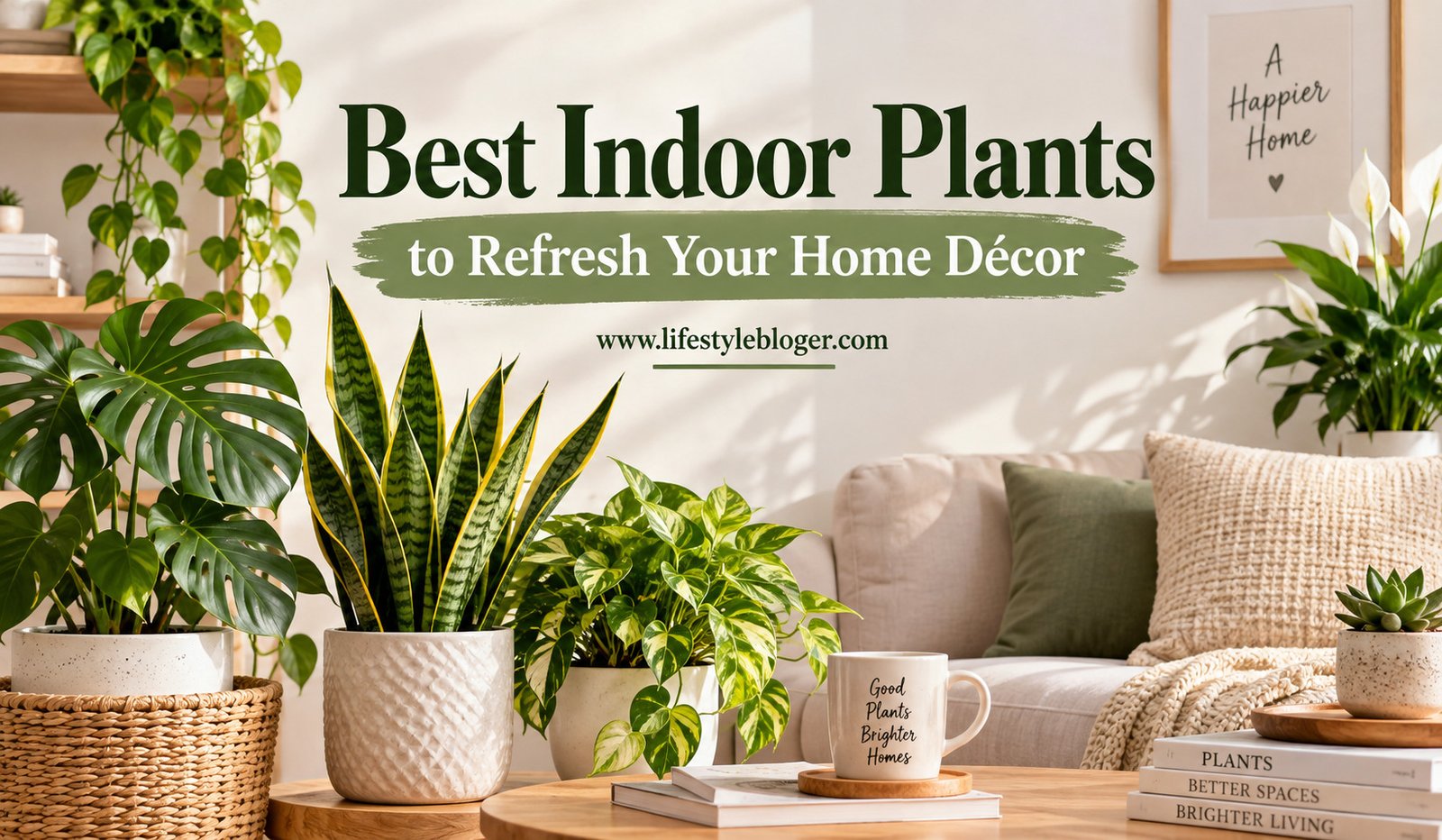
Bringing greenery indoors is one of the easiest ways to make a home feel warmer, fresher, and more inviting. A well-placed plant can soften sharp furniture lines, fill an empty corner, add color to neutral rooms, and create a natural focal point without requiring a major décor makeover. Whether your home is spacious and sun-filled or compact with limited natural light, there are indoor plants that can complement your style.
The key is to choose plants based not only on their appearance but also on the conditions inside your home. Light, watering habits, available space, humidity, and the amount of care you can provide all influence whether a plant will flourish. Low-light varieties are particularly useful for apartments and rooms where sunlight is limited.
Why Indoor Plants Are Great for Home Décor
Indoor plants do more than simply occupy empty spaces. They introduce organic shapes and natural textures into rooms that may otherwise contain mostly straight lines, hard surfaces, and artificial materials. Large leaves can create a dramatic statement, while smaller plants can add subtle detail to shelves, side tables, desks, and windowsills.
Plants can also help different areas of your home feel visually connected. For example, using similar planters throughout your living room, dining area, and entryway can create a consistent decorating theme. At the same time, mixing plants with different leaf shapes and heights prevents the arrangement from looking too uniform.
Another advantage is flexibility. Unlike large pieces of furniture, plants can be moved whenever you want to change your room layout. A tall floor plant can transform an unused corner, while a trailing plant can make an ordinary bookshelf look considerably more interesting.
Best Indoor Plants for a Stylish Home
Choosing the right plant becomes easier when you think about the atmosphere you want to create. Some plants offer a bold architectural appearance, while others provide soft, cascading greenery.
1. Snake Plant
The snake plant is an excellent choice for modern interiors because of its tall, upright leaves and clean silhouette. Its structured appearance works particularly well with minimalist, contemporary, and Scandinavian-inspired décor.
It is also remarkably forgiving. Snake plants tolerate lower-light conditions and can handle periods between watering, making them suitable for people who want attractive greenery without a complicated maintenance routine.
Place a tall snake plant beside a sofa, near an entryway, or in an empty bedroom corner. A simple ceramic planter can give it an especially sophisticated appearance.
2. ZZ Plant
With glossy, dark-green foliage and upright stems, the ZZ plant brings a polished look to interiors. It is particularly useful for offices, apartments, hallways, and other areas that receive limited indirect light.
Its ability to tolerate low-light conditions and infrequent watering makes it one of the most practical choices for beginners.
For décor, place a medium-sized ZZ plant on a plant stand or use a larger specimen as a floor accent. Its glossy foliage pairs beautifully with neutral walls and natural wood furniture.
3. Golden Pothos
Golden pothos is ideal when you want your greenery to feel relaxed and abundant. Its heart-shaped leaves and trailing growth make it especially attractive on shelves, cabinets, bookcases, and hanging planters.
It can tolerate lower light, although brighter indirect light can help maintain stronger variegation in many varieties.
Allow the vines to cascade naturally from a high shelf, or train them around a support for a more deliberate decorative effect.
4. Peace Lily
The peace lily combines foliage with elegant white blooms, making it a good option when you want something more refined than a purely green plant. Its broad leaves provide visual fullness, while its flowers can introduce a light, graceful accent.
Peace lilies generally prefer indirect light and consistent attention to moisture. They can be especially attractive in living rooms, bedrooms, or bright bathrooms.
If you want the plant to become part of the décor rather than simply an accessory, choose a planter that contrasts gently with its dark foliage.
5. Aglaonema
Aglaonema, commonly called Chinese evergreen, is available in a wide range of leaf patterns and colors. Depending on the variety, its foliage may feature combinations of green, silver, cream, or pink.
This makes it particularly useful for decorating rooms where you want greenery to contribute noticeable color. Darker-green varieties are generally better suited to lower-light environments, while more colorful varieties often benefit from brighter indirect light.
Use aglaonema on a console table, sideboard, or plant stand where its patterned foliage can be appreciated.
6. Spider Plant
The spider plant has long, arching leaves that create a lighter and more playful appearance. It works well in hanging baskets or elevated planters because its foliage naturally spills over the edges.
It can tolerate less-than-perfect lighting and is suitable for shelves, balconies with suitable conditions, home offices, and bedrooms.
Its relaxed shape is particularly effective for balancing rooms dominated by bulky furniture.
7. Heartleaf Philodendron
If you love the soft, romantic appearance of trailing greenery, heartleaf philodendron is worth considering. Its heart-shaped leaves and flowing stems can bring a natural softness to otherwise formal interiors.
Place it on a bookshelf, hanging planter, or tall cabinet and allow the stems to trail downward. This creates vertical movement and helps draw attention toward different levels of a room.
8. Parlor Palm
For a more tropical and elegant appearance, the parlor palm is a strong option. Its slender stems and delicate fronds can make a room feel more relaxed without overwhelming the existing décor.
A parlor palm can work particularly well beside lounge furniture or in a bright corner where its airy foliage has enough space to spread.
Choosing Plants According to Your Interior Style
The best indoor plant is not necessarily the largest or most fashionable variety. It is the one that fits naturally into your existing décor.
| Home Décor Style | Plants to Consider | Best Placement |
| Minimalist | Snake plant, ZZ plant | Floor corners, side tables |
| Bohemian | Pothos, philodendron, spider plant | Hanging baskets, shelves |
| Modern | ZZ plant, aglaonema | Consoles, plant stands |
| Tropical | Parlor palm, peace lily | Living-room corners |
| Traditional | Peace lily, spider plant | Tables, windowsides |
| Small apartment | Snake plant, pothos, ZZ plant | Shelves, narrow corners |
How to Use Indoor Plants as Décor
Create Height and Layers
One common decorating mistake is placing every plant at the same level. Instead, combine floor plants with tabletop varieties and hanging plants. A tall plant can occupy an empty corner, while a smaller plant can sit on a nearby table.
Layering creates depth and makes a collection feel intentionally designed rather than randomly assembled.
Match Planters With Your Interior
The planter can be just as important as the plant itself. Terracotta works beautifully with earthy and rustic interiors, while white or matte ceramic can complement minimalist spaces. Woven baskets can give tropical or bohemian rooms a warmer character.
Try to repeat one or two planter materials throughout the room instead of using a completely different style for every plant.
Use Plants to Fill Awkward Spaces
That narrow area beside a cabinet, empty corner near a window, or unused shelf doesn’t necessarily need another decorative object. A carefully selected plant can make the space feel purposeful.
Tall plants are particularly effective in empty vertical areas, while trailing varieties can soften high shelves and cabinets.
Simple Indoor Plant Care Tips
Beautiful indoor plants still need the right environment. Before buying a plant, consider how much natural light reaches the intended location. Low-light plants can tolerate dimmer conditions, but “low light” does not mean complete darkness. Plants still need usable light to grow.
Watering should also be based on the plant and soil conditions rather than a rigid calendar. In lower-light areas, soil may dry more slowly, increasing the risk of overwatering. Always check the soil before adding more water.
Keep these basic principles in mind:
- Choose a plant according to the light available in its actual location.
- Use pots with adequate drainage to prevent water from remaining around the roots.
- Wipe dusty leaves occasionally so the foliage stays attractive.
- Rotate plants periodically when they begin leaning toward the light.
- Remove damaged or yellowing leaves to keep the plant looking tidy.
If you have pets or young children, check whether a particular plant is suitable for your household before bringing it indoors. Some popular houseplants can be harmful if chewed or swallowed.
Create a Greener Home Without Overdoing It
You don’t need dozens of plants to make your home feel fresh. In fact, a few carefully positioned plants can have more visual impact than a crowded collection.
Start with one statement plant for the living room, one compact plant for a table or shelf, and perhaps a trailing variety for vertical interest. Once you understand how much care they require, you can gradually expand your indoor garden.
The goal is to make greenery feel like part of your home’s design rather than an afterthought. A thoughtfully chosen plant can complement your furniture, enhance empty spaces, and bring a sense of nature indoors.
Frequently Asked Questions
1. Which indoor plant is easiest for beginners?
The snake plant and ZZ plant are excellent beginner-friendly choices because they tolerate lower light and can handle periods of infrequent watering. They are especially suitable for people who are new to indoor gardening.
2. What are the best indoor plants for low-light rooms?
Snake plants, ZZ plants, pothos, aglaonema, peace lilies, spider plants, and heartleaf philodendrons are popular choices for lower-light indoor environments. However, low light does not mean a completely dark room. Plants still require some usable light to grow.
3. How many plants should I have in my living room?
There is no fixed number. Start with two or three plants in different sizes and positions. This usually provides enough greenery to create visual interest without making the room feel crowded.
4. How can I make indoor plants look more stylish?
Focus on placement, height, and planters. Combine floor plants with tabletop and hanging varieties, and select containers that complement your furniture and color palette. Grouping plants in odd numbers can also create a more natural-looking arrangement.
5. Why do my indoor plants keep turning yellow?
Yellow leaves can have several causes, including overwatering, insufficient light, aging foliage, or unsuitable growing conditions. Check the soil moisture and lighting first, then adjust care gradually rather than immediately adding more water or fertilizer.
Final Thoughts
Indoor plants are more than decorative accessories. They can add texture, height, color, and personality to almost any room while making your living environment feel more connected to nature. From the architectural shape of a snake plant to the cascading vines of pothos, there is a style for virtually every interior.
The best approach is to start with plants that suit your home’s actual conditions. Choose varieties that match your available light and care routine, place them where their shapes complement the room, and use attractive planters to complete the look. With the right choices, even a simple collection of indoor plants can give your home a noticeably fresher and more welcoming character.