Modern life can leave very little time for caring for indoor plants. Between work, family responsibilities, household chores, and personal commitments, remembering to water plants regularly may not always be easy. Fortunately, you do not need to give up on indoor greenery simply because you have a busy schedule.
Low maintenance plants are ideal for homeowners who want to enjoy the beauty of nature without spending hours on plant care. Many indoor varieties can tolerate occasional missed watering, adapt to different lighting conditions, and continue looking attractive with minimal attention.
The key is to choose plants that match your lifestyle and the conditions inside your home. With the right varieties, you can create a fresh and inviting interior while keeping plant care simple and manageable.
Why Low Maintenance Plants Are Perfect for Busy Homes
Indoor plants can instantly make a home feel more welcoming. They introduce natural color, soften furniture lines, and add personality to otherwise plain spaces. However, plants have different care requirements, and some need frequent watering, pruning, repotting, or specific lighting.
Low maintenance plants are more forgiving. They can often handle short periods of neglect and do not require constant monitoring. This makes them especially useful for homeowners who travel frequently, work long hours, or simply prefer an easy-care approach to indoor gardening.
Instead of choosing a plant based only on its appearance, consider how much time you can realistically dedicate to maintenance. A plant that fits your routine is much more likely to remain healthy and attractive.
Best Low Maintenance Plants for Busy Homeowners
1. Snake Plant
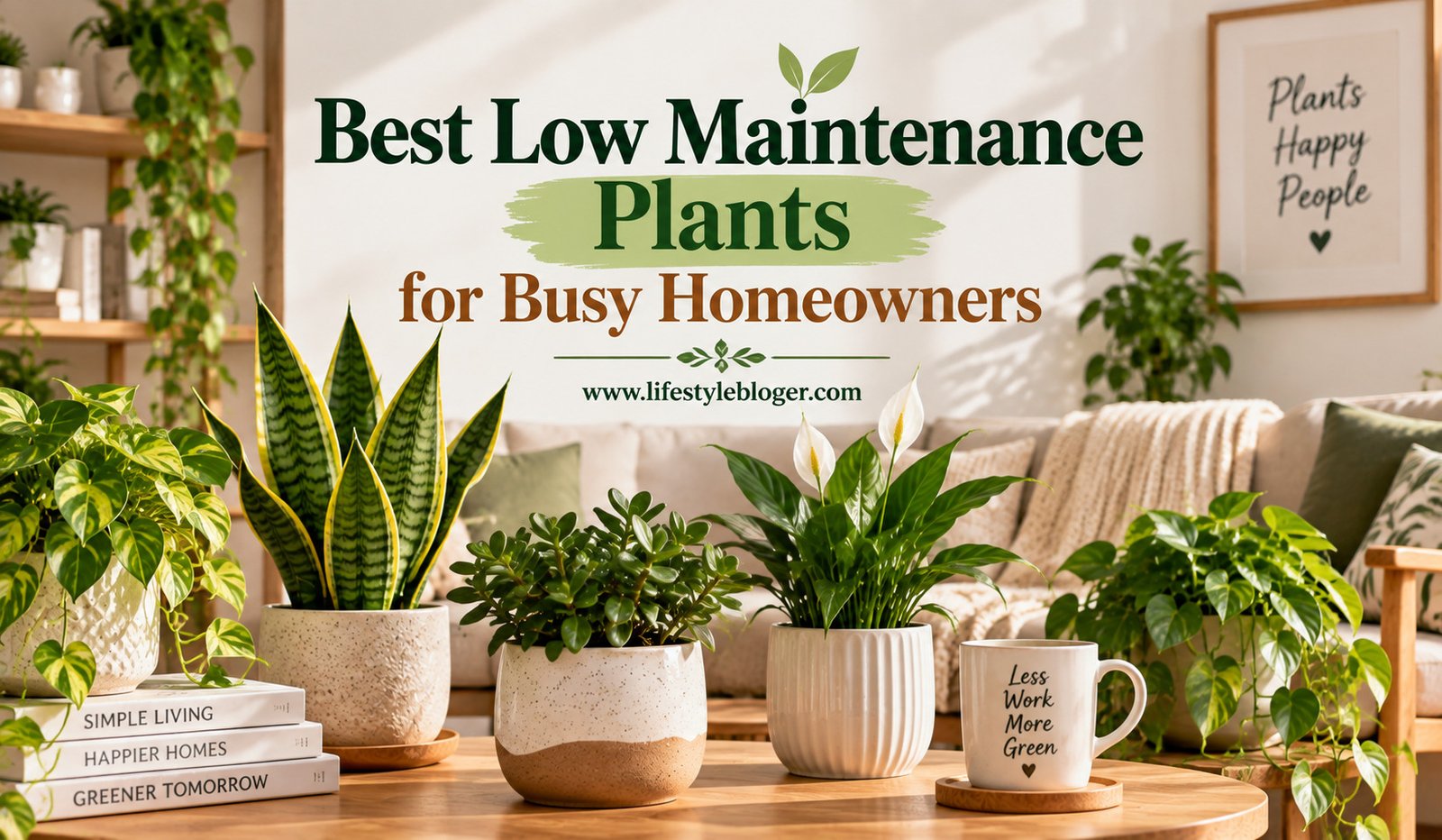
The snake plant is one of the most popular choices for people who want attractive greenery with very little effort. Its tall, upright leaves create a strong architectural appearance that works well in living rooms, bedrooms, offices, and hallways.
Snake plants are particularly forgiving when watering is occasionally forgotten. They prefer well-draining soil and generally do better when allowed to dry between waterings.
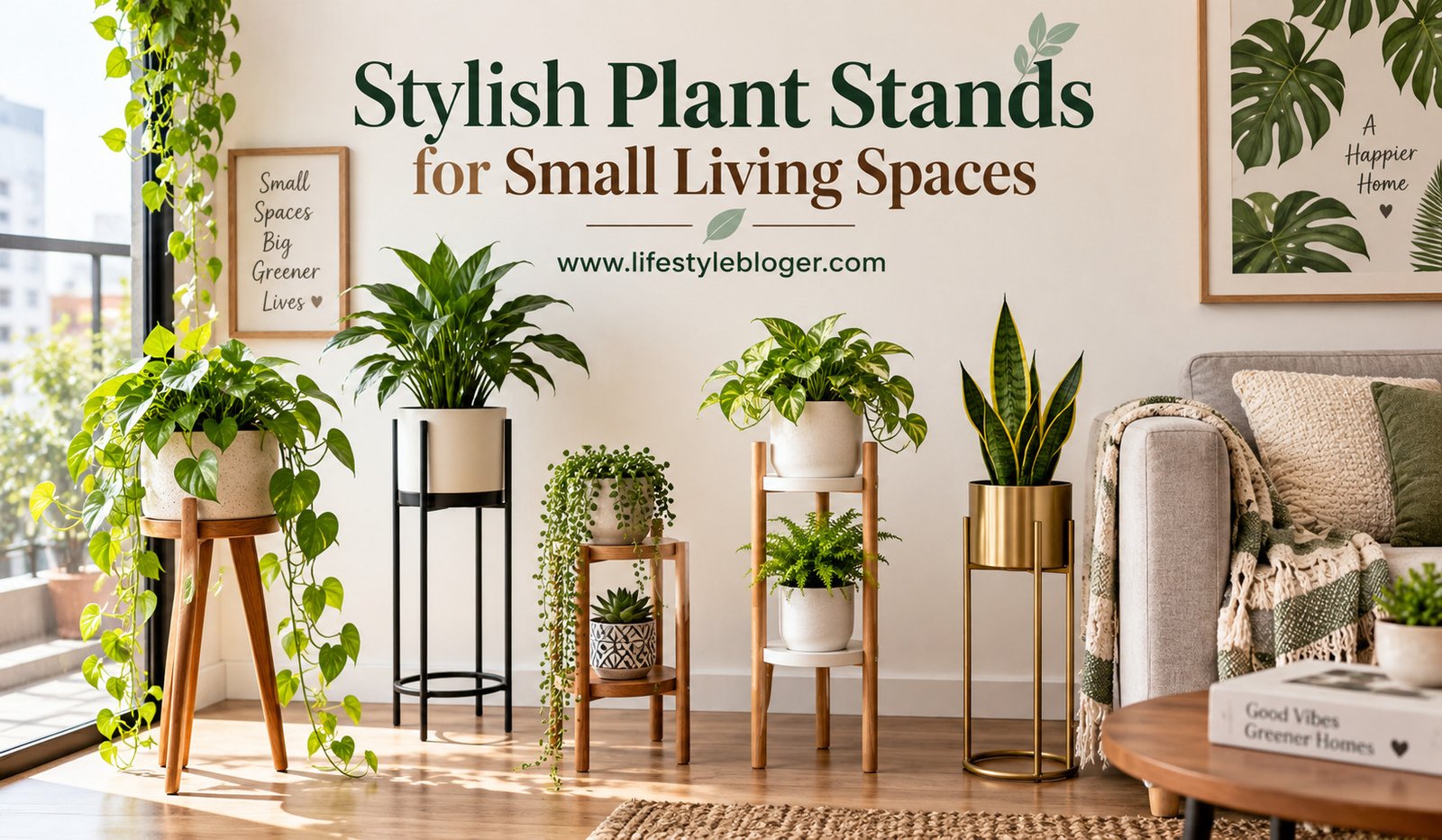
Their vertical growth also makes them useful when floor space is limited. Place one in a simple ceramic planter beside a sofa, cabinet, or empty corner for an effortless decorative statement.
2. ZZ Plant
The ZZ plant is another excellent option for busy households. Its thick stems and glossy green leaves give it a polished appearance, while its ability to tolerate periods of dryness makes it relatively easy to maintain.
It can work well in rooms where natural light is limited, although providing suitable indirect light will help it remain healthy. The plant grows slowly compared with many other indoor varieties, so it does not require frequent pruning or repotting.
A ZZ plant looks especially attractive in minimalist interiors where its deep green foliage contrasts with neutral furniture and walls.
3. Pothos
Pothos is an excellent choice for homeowners who want a trailing plant without complicated care requirements. Its attractive vines can grow across shelves, cabinets, or hanging planters.
It adapts to a range of indoor environments and can tolerate periods between watering. When the vines become too long, they can be trimmed easily and the cuttings can often be used to create new plants.
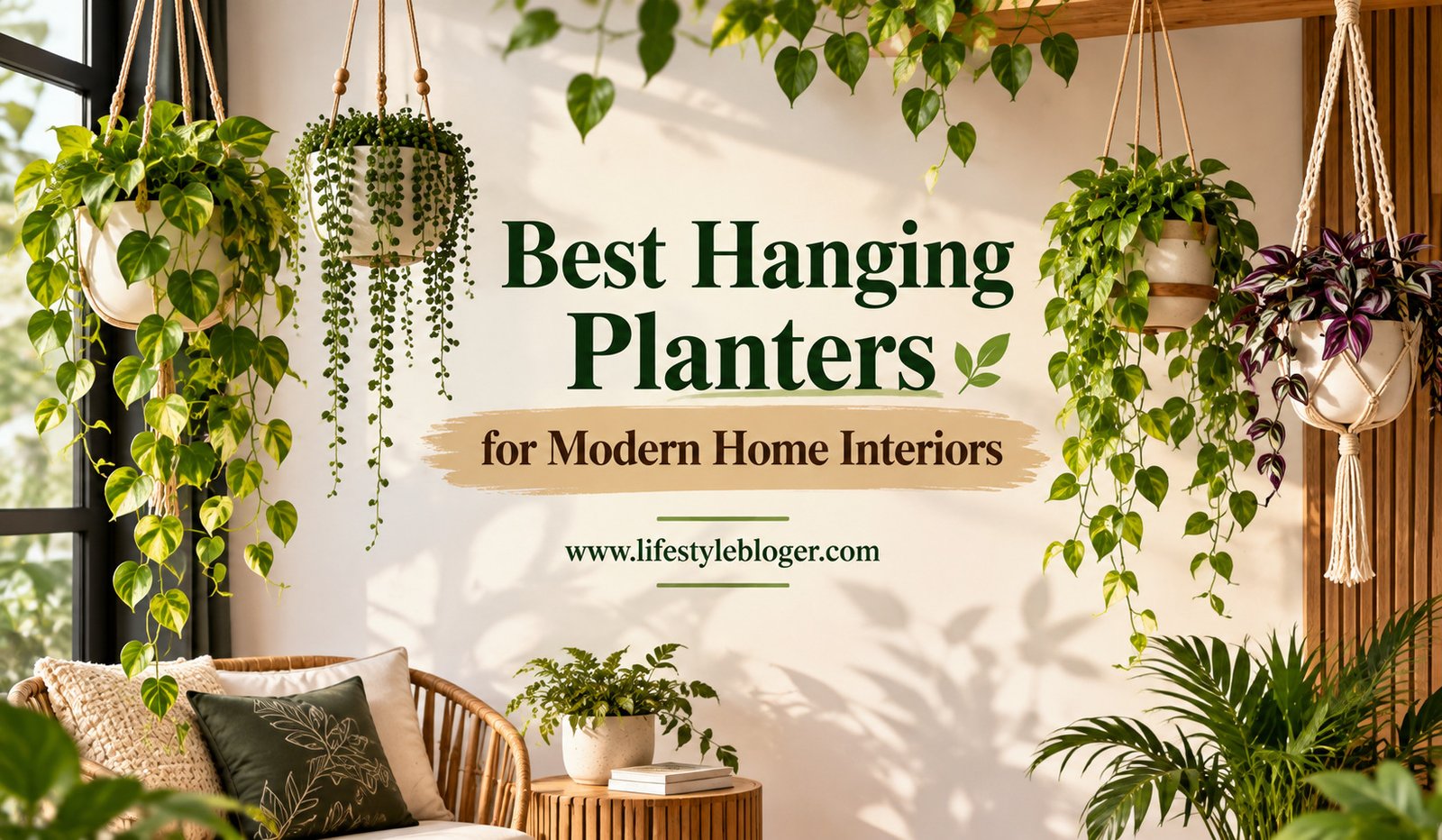
Pothos is particularly useful for adding greenery to vertical spaces. A simple hanging planter can turn an otherwise unused wall or corner into a natural decorative feature.
4. Cast Iron Plant
As its name suggests, the cast iron plant is known for being exceptionally resilient. It is a good choice for homeowners looking for a plant that does not demand constant attention.
Its broad green leaves add softness and texture to indoor spaces. It can tolerate lower-light conditions and does not need frequent watering as long as its basic growing requirements are met.
This plant works particularly well in darker corners where more demanding varieties may struggle.
5. Rubber Plant
Rubber plants are a great option for homeowners who want a larger decorative plant. Their broad, glossy leaves create an impressive focal point without requiring complicated daily care.
Although rubber plants appreciate consistent conditions and suitable light, they generally do not need constant attention. Allowing the soil to dry somewhat between waterings can help avoid problems caused by excessive moisture.
A rubber plant in a large neutral planter can instantly enhance an empty living room corner.
6. Aloe Vera
Aloe vera is a practical choice for bright rooms. Its thick, fleshy leaves store moisture, allowing the plant to tolerate periods of dryness better than many moisture-loving houseplants.
Place aloe vera near a bright window where it can receive plenty of suitable light. Use a well-draining potting mix and avoid keeping the soil constantly wet.
Its distinctive shape also makes it an attractive addition to kitchen windowsills, desks, and small shelves.
7. Jade Plant
Jade plants are compact succulents with thick leaves and sturdy stems. They are well suited to people who prefer plants that do not need frequent watering.
They perform best in bright locations and should be planted in soil that drains efficiently. Their compact growth makes them suitable for desks, side tables, shelves, and sunny windowsills.
With the right conditions, a jade plant can become a long-lasting part of your home décor.
Choosing the Right Plant for Your Lifestyle
The easiest way to maintain indoor plants is to select varieties based on your daily routine rather than trying to change your routine around them.
| Lifestyle or Home Condition | Suitable Plant | Why It Works |
| Frequent travel | Snake Plant | Handles periods of dryness |
| Low-light room | ZZ Plant | Adaptable to lower light |
| Limited floor space | Pothos | Works well in hanging displays |
| Bright windowsill | Aloe Vera | Enjoys bright conditions |
| Large living room | Rubber Plant | Creates a strong focal point |
| Small desk | Jade Plant | Compact and easy to manage |
| Darker corner | Cast Iron Plant | Tolerates lower light |
Matching the plant with its environment can significantly reduce maintenance problems. A plant placed in unsuitable conditions may require more attention and still struggle to thrive.
Simple Plant Care for Busy Homeowners
Low maintenance does not mean no maintenance. Even resilient plants need the right basic conditions to remain healthy.
One of the most common mistakes is watering plants on a strict schedule without checking the soil. Different homes have different temperatures, humidity levels, pot sizes, and amounts of light. Instead, check the soil and water according to the plant’s needs.
Busy homeowners can simplify care by grouping plants with similar requirements together. This makes it easier to remember which plants need attention and prevents unnecessary watering.
A few basic habits can make indoor plant care much easier:
- Check soil moisture before watering.
- Place plants according to their light requirements.
- Remove yellow or damaged leaves when necessary.
- Keep drainage holes clear to prevent excess water buildup.
Use Attractive Planters to Enhance Your Décor
Low maintenance plants do not have to look boring. The right planter can turn an easy-care plant into an important part of your interior design.
For minimalist homes, choose simple ceramic or concrete-style planters in neutral shades. For warmer interiors, terracotta or earthy-toned pots can add natural character. Hanging planters work especially well with trailing varieties such as pothos.
Try to coordinate planter styles throughout the room rather than choosing completely different colors and materials for every plant. A consistent approach creates a more polished appearance.
Create a Simple Plant Care Routine
A complicated plant care routine is difficult to maintain when life is already busy. Instead, create a simple routine that takes only a few minutes.
Choose one day each week to inspect your plants. Look at the soil, check the leaves, and make sure the plants are positioned correctly. Not every plant will need watering during every inspection, but the quick check can help you identify problems early.
If you travel often, choose resilient plants and avoid placing delicate varieties in difficult locations. You can also group plants together in areas where they receive appropriate light, making them easier to monitor.
Common Mistakes Busy Homeowners Should Avoid
Overwatering is one of the most common problems with indoor plants. People often assume that watering more frequently will keep plants healthier, but excessive moisture can create serious root problems.
Another mistake is buying a plant because it looks attractive without considering its light requirements. A plant that needs bright indirect light may struggle in a dark hallway, regardless of how attractive it looked in the store.
Avoid placing too many plants in a small space as well. A smaller collection of healthy plants will look much better than a crowded arrangement of neglected ones.
Finally, do not ignore drainage. A beautiful pot without adequate drainage can create problems even when the plant itself is naturally easy to care for.
Best Ways to Display Low Maintenance Plants
Living Room Corners
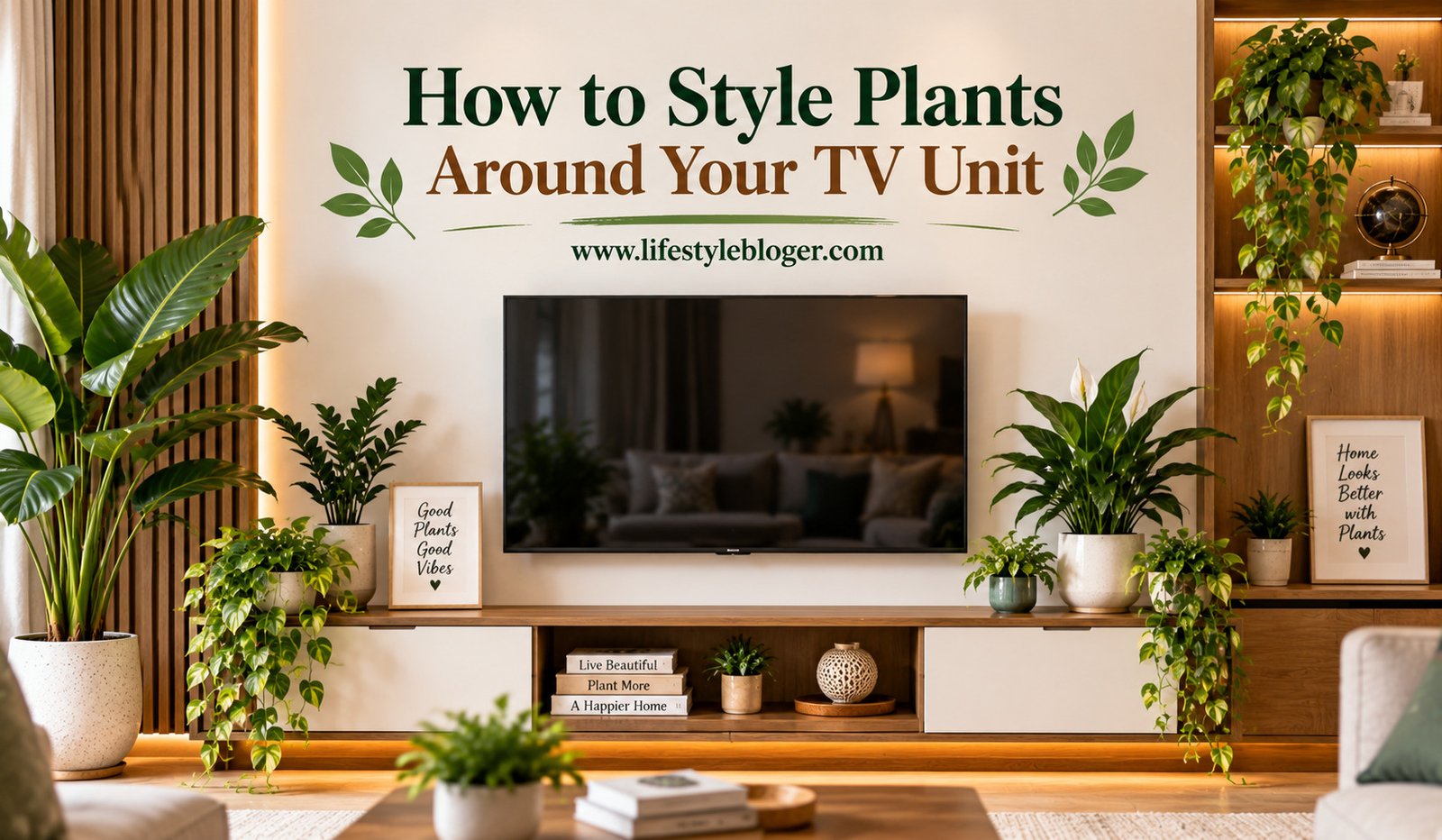
A tall snake plant or rubber plant can transform an empty corner into an attractive focal point. Use a decorative floor planter and leave some space around the plant to maintain a clean appearance.
Shelves and Cabinets
Pothos and other trailing plants are ideal for shelves. Allow their vines to extend naturally rather than arranging them too precisely. This creates a relaxed and organic appearance.
Desks and Side Tables
Small plants such as jade plants or compact ZZ plants can add greenery without taking up much space. Choose a proportionate planter so the display remains practical.
Frequently Asked Questions
1. What is the easiest indoor plant for a busy homeowner?
Snake plants and ZZ plants are among the easiest choices because they are relatively tolerant of missed watering and can adapt to a variety of indoor conditions.
2. How often should low maintenance plants be watered?
There is no universal watering schedule. Check the soil before watering and consider the plant variety, pot size, temperature, humidity, and available light.
3. Which low maintenance plants are best for low-light rooms?
ZZ plants and cast iron plants are popular choices for areas with limited natural light. However, low light does not mean no light, so plants still need an appropriate environment.
4. Are succulents good for busy homeowners?
Yes. Succulents such as aloe vera and jade plants can be excellent choices because their leaves store moisture. They generally prefer bright light and well-draining soil.
5. Can low maintenance plants survive while I am traveling?
Many resilient plants can handle short periods without watering, particularly when they are healthy and properly positioned. Before traveling, check soil moisture and make sure the plant is receiving suitable light.
Final Thoughts
Busy schedules should not prevent you from enjoying the beauty of indoor greenery. Low maintenance plants provide an easy way to introduce natural color, texture, and personality into your home without demanding constant attention.
Snake plants, ZZ plants, pothos, rubber plants, aloe vera, jade plants, and cast iron plants can all be excellent options when their basic growing needs are met. The most important step is matching each plant with the right light, watering habits, planter, and location.
Instead of filling your home with plants that require complicated routines, start with a few resilient varieties that fit naturally into your lifestyle. With thoughtful selection and simple care habits, you can enjoy a fresh, attractive indoor garden even when your schedule is full.